
News & events
-
Dissolution Testing
Read More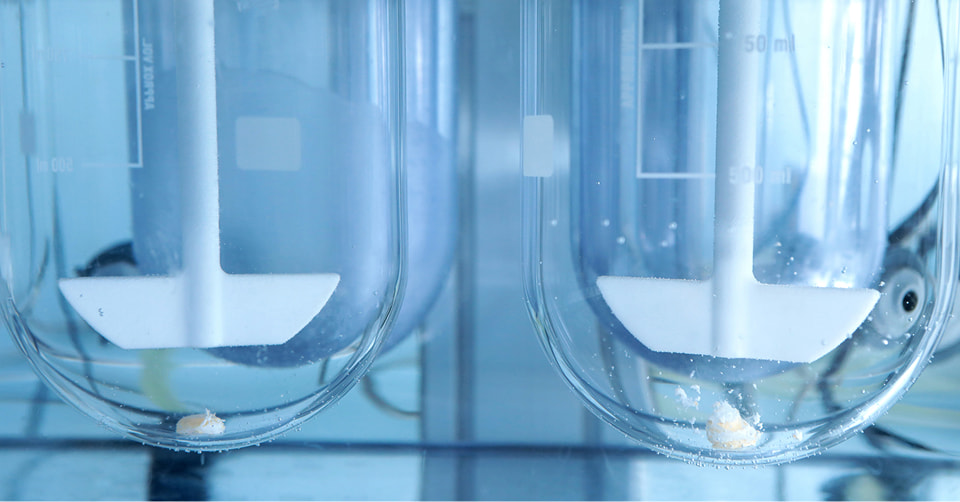
-
USP 797 Category 2 CSP Testing
Read More
-
Drug Diversion: Revealing the Truth through Science
Read MoreAaron K. Thompson, Forensic & Technology Leader Drug diversion is the illegal practice of transferring regulated pharmaceutical agents from legal sources for illicit use. Instances of drug diversion within the workplace pose a significant risk of civil liability to the employer. Not only can harm befall the drug-diverter, but contaminated drug products also pose
-
Container Closure Integrity Testing – dye ingress test method
Read MoreQiang Liu, PhD, Research and Development Supervisor Container Closure Integrity Testing (CCIT) The container closure system for a drug product provides critical protection for stability and sterility. Contaminants (such as microorganisms and reactive substances) could potentially cross through defective container closures putting the drug product and patients at risk. USP chapter <1207> defines the concept of container
-
Container Closure Integrity Testing – vacuum decay test method
Read MoreARL now offers USP <1207> container closure integrity testing (CCIT) on IV bags, syringes, cassettes, and vials. Three types of leaks that can be detected during CCIT include: Historically, CCIT has been performed using probabilistic tests such as dye ingress or microbial immersion. Recently, USP issued new guidance requiring deterministic tests to achieve more
-
Microbial Disinfectant Cleaning Challenge Studies
Read MoreJames Zellner, ARL Bio Pharma Technical Sales How do you know your staff is doing a thorough job disinfecting surfaces and equipment at your facility? Do you have proof that your cleaning procedure is effective in removing potential contaminants from surface areas? An important part of a complete quality program is generating data that the